A group built around interdisciplinary systems questions.
The group connects bioeconomy, environmental assessment, process engineering, geospatial analysis and optimization.
01 · The PI
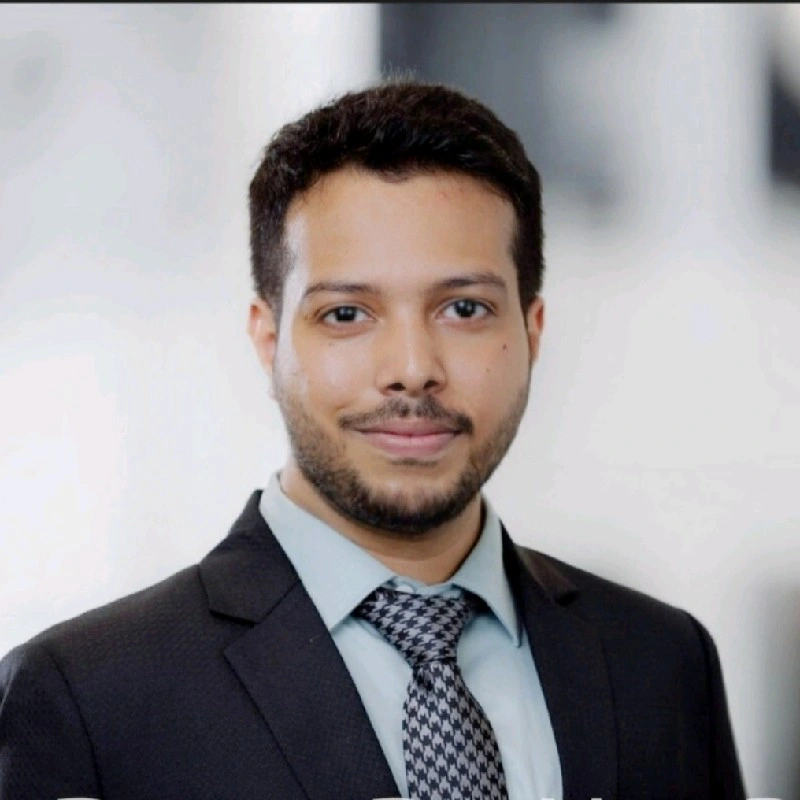
Shule Wang
Shule Wang
Profile
Research across biomass, carbon and systems.
Principal Investigator · Junior Professor Chair (Chaire de Professeur Junior), INRAE
I work on sustainable pathways for biomass products, waste reduction and the replacement of fossil resources across industries. My research integrates life-cycle assessment, techno-economic analysis, machine learning and Geographic Information Systems to explore biochar and other biomass-derived products across transportation, chemical engineering, energy storage and metallurgy.
My training began in Metallurgical Engineering at the University of Science & Technology Beijing, followed by a master’s degree and PhD in Materials Science and Engineering at KTH Royal Institute of Technology. My doctoral work moved from experimental biomass research toward life-cycle and techno-economic analysis, with machine learning used to deepen insights into biomass valorization.
After work at Nanjing Forestry University and the Carbon Removal Group at the University of California, Berkeley, I now integrate these capabilities with GIS at INRAE to support the French agricultural transition for bioeconomy and develop biomass-based pathways for sustainable industry.
Thesis: Structural Modulation and Sodium Storage Behavior of Lignin-Derived Hard Carbon Materials.
2022–2025
The group studies how renewable-carbon resources and secondary feedstocks can move through conversion pathways and become useful, deployable systems rather than isolated technical demonstrations.
Its canonical logic follows four linked questions: what resources are available; how can they be converted and valorized; where and under which constraints should systems be deployed; and what climate, environmental and economic outcomes follow?
The framework keeps methods such as life-cycle assessment, techno-economic analysis, machine learning, optimization and geospatial analysis transversal, while keeping the research questions and system boundaries visible.
A landscape photograph taken by Shule Wang in Abisko in 2018.
Methods & Tools
Capabilities that move across every module.
Methods are treated as horizontal capabilities. Their value comes from how they clarify a research question, connect scales and make trade-offs explicit.